What to Look for in a Camping Tent — The Specs That Predict Dry Nights vs Wet Ones
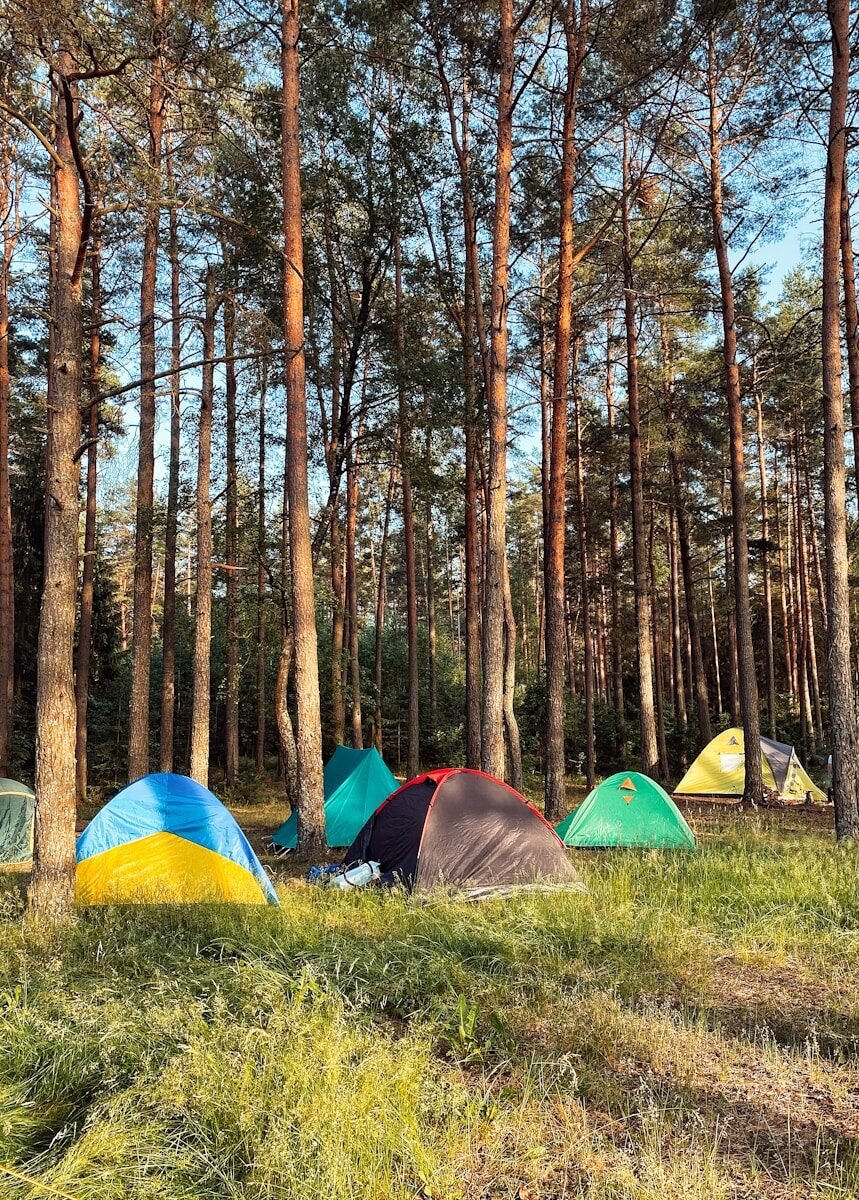
The first tent I bought on my own was a two-person dome I found on clearance at a sporting goods chain. The poles were fiberglass, the floor rating was not printed anywhere on the packaging, and the seams were not taped. I found out about the seams the first night I used it, when a storm rolled in around 2am and the tent began dripping like a slow ceiling leak. By morning I was in a wet sleeping bag, which I will tell you from experience is a miserable way to start a day in the Boundary Waters. That tent cost me about $45. The replacement I bought the following week cost $140 and has been with me for eight years without a single leak.
The tent category is one where the distance between a purchase that works and one that fails you can be a few specifications nobody talks about on the product page: hydrostatic head rating, pole diameter, seam construction, floor denier. Most buyers scan the price, count the people listed in the product name, and click Buy. Then they wonder why the floor is wet or why the poles snapped in a gust that didn’t feel especially dramatic. The point of this guide is to fix that gap before it costs you a miserable night.
What follows is a breakdown of every specification that actually predicts how a tent performs, which features earn their money and which are marketing padding, and four specific products across different camping styles that I’d confidently recommend on Amazon today.
Quick Comparison: Best Camping Tents Across Every Use Case
| Product | Capacity | Seasons | Pole Material | Floor Area | Setup Time | Best For | Price Tier |
|---|---|---|---|---|---|---|---|
| Coleman Sundome 4-Person | 4-person | 3-season | Fiberglass | 63 sq ft | ~10 min | Budget first-time campers, car camping | Budget ($) |
| Coleman Skydome 4-Person | 4-person | 3-season | Steel / fiberglass | 35 sq ft (snug 4) | ~5 min | Casual campers wanting fast setup, extra headroom | Budget ($) |
| CORE 6-Person Instant Cabin Tent | 6-person | 3-season | Pre-attached steel hub | 84 sq ft | ~60 sec | Families, car camping, cabin-style comfort | Mid-range ($$) |
| Marmot Tungsten 2P | 2-person | 3-season | DAC aluminum | 32 sq ft | ~5 min | Backpackers, solo campers, serious weekend use | Premium ($$$) |
Season Rating: Most Buyers Need a 3-Season Tent
Tent season ratings describe the weather conditions a shelter is engineered to handle. A 3-season tent covers spring, summer, and fall camping — rain, wind, and temperatures that might drop to freezing but don’t involve sustained snowfall or extreme wind loading. Most recreational campers in the United States who camp from May through October in established campgrounds, national parks, or typical trail sites never encounter conditions that exceed what a quality 3-season tent handles competently.
A 4-season tent — also called a mountaineering tent — uses solid fabric walls rather than the open mesh panels that give 3-season tents their ventilation. Its geodesic or semi-geodesic pole structure handles snow load and high-altitude wind. It’s built for conditions where the risk isn’t getting wet inside from rain — it’s the tent collapsing under snow accumulation or being destroyed by wind. These tents are heavier, more expensive, warmer (in a way that makes them uncomfortable in summer), and genuinely necessary for alpine or winter camping. For campground use, car camping, and trail camping in non-winter conditions, they’re overkill.
A small category worth knowing about is the extended-season or 3.5-season tent — tents marketed with a heavier fly, sturdier poles, and fewer mesh panels than a standard 3-season model but without the full mountaineering construction of a 4-season. These bridge the gap for campers who occasionally push into shoulder season or encounter unusual weather. If you camp reliably through October in the northern U.S. or at higher elevations, this category is worth investigating. For most people, it’s still more tent than needed.
Hydrostatic Head Rating: The Number That Predicts Dry vs Wet
The hydrostatic head (HH) rating on tent fabrics is measured in millimeters and describes how much water pressure a fabric withstands before moisture penetrates. A tent fly rated at 1,500mm HH can support a column of water 1,500mm tall before leaking. The floor faces direct ground pressure from body weight and pooling water beneath the tent, so it requires a higher rating than the fly — 3,000mm is the standard benchmark for a quality floor.
Budget tents sold below $50–$60 often carry no HH rating on the packaging. When no rating is listed, assume it’s under 1,000mm — that tent will leak in sustained moderate rain. Light rain or brief showers may be manageable; a several-hour downpour will find every weakness. The Coleman WeatherTec system used on Sundome and Skydome models uses patented welded corners and inverted seams, which addresses the most common leak points even on lower-rated fabrics. Seam sealing and seam taping are different things: seam tape bonds waterproof tape over stitching holes from the inside, providing far more reliable waterproofing than seam sealing (a liquid coating applied to the outside). Look for “seam-taped” or “factory-seam-sealed” on any tent you expect to use in genuine rain.
Pole Material: Where Budget Cuts Hurt Most
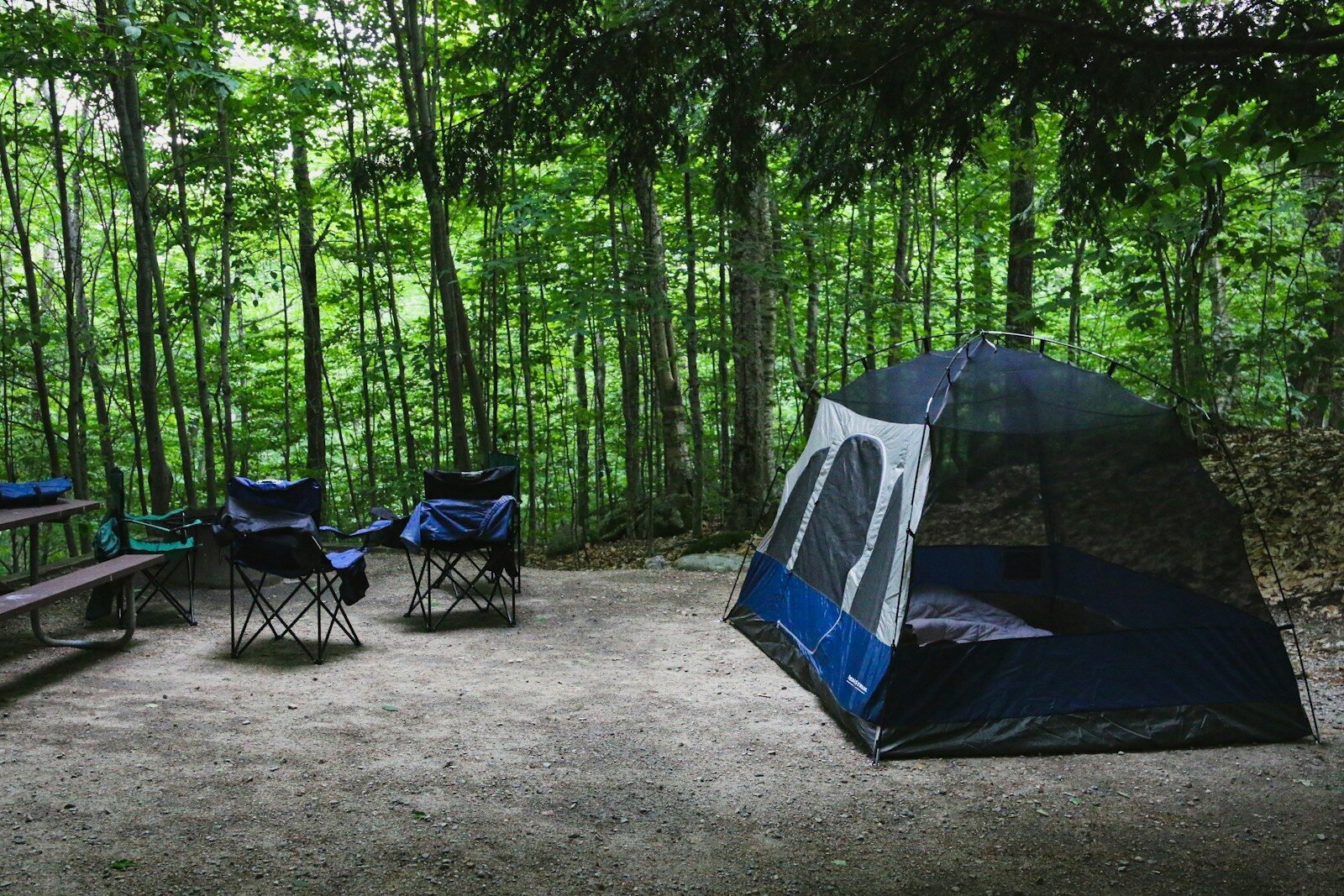
Poles are the skeleton of a tent, and the difference between fiberglass and aluminum poles is not subtle. Fiberglass bends under stress and snaps — a broken fiberglass pole in the middle of a rainstorm at 11pm is one of camping’s genuinely miserable experiences. Aluminum bends under extreme stress and can often be straightened and field-repaired. It’s also significantly lighter, which matters for any tent you’ll carry more than twenty feet from a car. Aluminum poles age better: fiberglass develops micro-fractures over repeated seasonal use and becomes brittle, particularly in cold temperatures where it’s most likely to fail.
DAC (Dongah Aluminum Corporation) poles are the industry reference standard for performance tent poles — DAC supplies poles to Marmot, MSR, Nemo, and most premium backpacking tent brands. Their press-fit system makes assembly and disassembly faster, and their alloy construction balances weight and rigidity at a level fiberglass can’t approach. The Marmot Tungsten 2P reviewed below uses DAC press-fit poles; you’ll feel the difference in both setup time and confidence during a wind event.
Carbon fiber poles exist at the upper end of the ultralight market. They’re lighter than aluminum and stiffer, but they shatter rather than bend under impact, making field repair impossible. For recreational camping, they’re not necessary and the fragility trade-off isn’t worth it unless pack weight is genuinely a priority.
Freestanding vs Non-Freestanding: Why It Matters for Campsite Choice
A freestanding tent can stand on its own once the poles are assembled — stakes are used to secure it against wind and to apply tension that improves the structure, but the tent doesn’t require them to hold its shape. A non-freestanding tent must be staked to maintain its form; without stakes, it collapses. All four tents reviewed here are freestanding. Most car-camping and general-purpose tents are freestanding, and it’s the design that makes sense when you can’t always predict your ground surface.
Non-freestanding tents dominate the ultralight backpacking segment — designs like the trekking-pole shelter, the tarp tent, and the bivy sack trade freestanding convenience for dramatic weight savings. The trade-off is setup complexity: you must find appropriate stake points, the pitch is more technique-dependent, and rocky ground can make pitching genuinely difficult. For anyone camping at established sites with defined tent pads or soft ground, freestanding is simply easier and the right choice.
Capacity Ratings and the Math Nobody Does
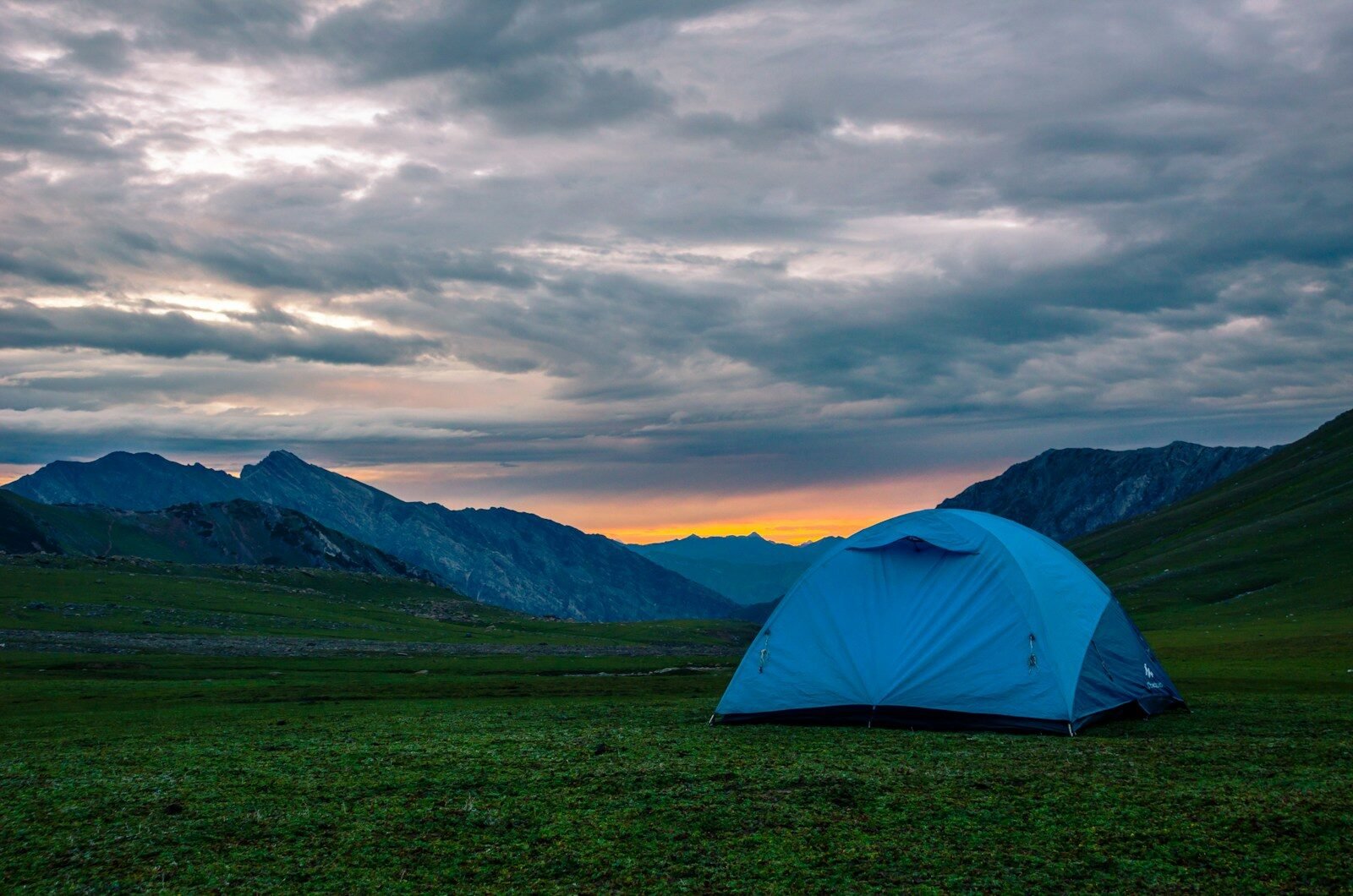
A tent’s person rating is calculated by fitting sleeping bags side by side on the floor with no gear and no margin for comfort. Two adults in a two-person tent will have their shoulders touching. Four adults in a four-person tent will have virtually no unused floor space. This isn’t a cynical marketing practice — the ratings are technically accurate. They just don’t describe how anyone actually wants to sleep.
The practical guideline that actually holds up: buy a tent rated for one more person than your group. Two adults camping together are comfortable in a 3-person tent. A family of four is comfortable in a 6-person tent. Three adults on a backpacking trip who want to sit up, change clothes, and store gear inside are comfortable in a 4-person backpacking tent but cramped in a 3-person. The exception is solo backpackers who prioritize pack weight — a 1-person tent at 2.5 pounds is meaningfully lighter than a 2-person at 4 pounds for a multi-day carry, and that weight difference adds up over miles.
Floor area in square feet is a more reliable spec than person capacity. Below 30 square feet per person and you’re packing in tight. Above 40 square feet per person and you have room to move. Note this as you shop: the CORE 6-Person Instant Cabin Tent reviewed here offers 84 square feet — 14 square feet per person at full rated capacity, or a generous 42 square feet per person for a family of two adults and two young children.
Ventilation and Condensation: The Feature Everyone Ignores
Every tent traps condensation. You and your camping partner exhale roughly a liter of water vapor per night between you, and that moisture has to go somewhere. In a well-ventilated double-wall tent, it passes through the mesh inner and out through the gap between inner and fly. In a poorly ventilated tent — or in a single-wall tent like a bivy — it condenses on interior surfaces and drips back onto your sleeping bag. Waking up in a damp bag is a miserable experience and a real hypothermia risk in cold conditions.
The features that manage condensation most effectively are: mesh interior panels that allow air movement, vents in the rainfly that stay open even in rain (typically on the upper fly surface where water doesn’t blow in horizontally), and adequate airspace between the inner tent and the fly. Quality tent designs angle fly vents so rain can’t enter even in a driving storm. The Marmot Tungsten’s ceiling vents are a good example — they’re positioned so precipitation can’t reach the opening even in heavy sideways rain. When evaluating any tent, look for active ventilation features, not just mesh floor panels that count as “breathability” on budget models without any mechanism to move that air out through the fly.
Weight and Packability: Only Matters If You’re Carrying It
Tent weight is irrelevant for car camping and meaningfully important for anything else. A 12-pound cabin tent with steel poles is an excellent car-camping family shelter. The same tent carried four miles uphill to a backcountry site would be an ordeal. The weight categories that matter: under 2.5 pounds per person for serious backpacking, under 4 pounds per person for occasional trail camping where weight is a factor, and anything goes for car camping where weight means nothing beyond loading the trunk.
Packed size matters alongside weight — a tent that packs down to the size of a large water bottle carries differently than one stuffed into an 18-inch stuff sack. For backpacking tents, look at both minimum trail weight (tent body, poles, and fly only) and packaged weight (all included components). The difference tells you how much the stake bag, footprint, and stuff sack add. Some ultralight setups strip everything to the minimum weight. For car camping, packed size is mainly a storage and organization question rather than a performance one.
Footprint: The Accessory Worth Buying Separately
A footprint is a custom-cut ground cloth that protects the tent floor from abrasion, punctures, and moisture wicking from the ground. It extends the life of the most expensive part of the tent — the floor fabric — by absorbing the wear from rocks, roots, and rough ground surfaces. Tent floor replacement, when possible at all, costs nearly as much as a new tent. A matching footprint costs $30–$60 and can double or triple the useful life of the floor.
The Marmot Tungsten 2P includes a footprint in the package — a genuine differentiator that justifies part of its price premium over similar tents sold without one. For Coleman tents, generic ground cloths cut slightly smaller than the tent’s floor dimensions work well and cost less than brand-name footprints. Cutting the ground cloth slightly smaller than the floor is important: if the footprint extends past the tent edge, it channels rainwater underneath the floor rather than away from it, defeating the waterproofing entirely.
Our Recommended Products
Coleman Sundome 4-Person Tent — The Reliable Budget Car-Camping Standard

The Coleman Sundome is the tent that has introduced more American families to camping than perhaps any other product in the category, and it has remained competitive specifically because Coleman has continued refining it rather than resting on its heritage reputation. The WeatherTec system uses patented welded corners and inverted seams — a specific construction method that eliminates the leak points where floor meets wall, which is where most budget tent failures occur. The snag-free continuous pole sleeves simplify setup significantly compared to clip-style designs, and the door awning extends the rainfly over the entrance to keep rain from blowing directly in when the door is open.
Floor space is 63 square feet — genuinely comfortable for two adults with gear, workable for three on sleeping bags without significant gear inside. The center height of 5 feet 11 inches allows most adults to stand, which makes the dressing routine significantly less awkward than in a lower dome. Two large windows and a ground vent provide cross-ventilation in warm weather. The E-Port — a small opening in the tent wall reinforced with a grommet — allows an extension cord to pass through cleanly, which is genuinely useful at campgrounds with electrical hookups.
The honest limitation worth stating directly: fiberglass poles. They do the job in the conditions the Sundome is designed for — moderate wind, typical campground use — but they’re not what you want in sustained high winds or if you’re rough on gear. The Sundome is sold specifically as a warm-weather and fair-weather shelter; its WeatherTec construction handles rain effectively, but it’s not a storm tent. For car camping from spring through early fall at established campgrounds, it’s exactly the right tool at exactly the right price.
Best for: first-time camping families, occasional campers who don’t want significant investment before they know how often they’ll use a tent, anyone camping primarily at established campgrounds with electrical hookups, and groups where ease of setup and packability to a trunk are more important than pole longevity.
Coleman Skydome 4-Person Tent — The Fast-Setup Upgrade with More Headroom

The Skydome addresses the most consistent complaint about traditional dome tents — sloped walls that eat usable interior space — by engineering nearly vertical walls through a modified pole architecture. Coleman claims 20% more headroom than traditional dome designs, and that claim holds up in practice. The wider door opening also matters: moving air mattresses, sleeping bags, and bulky gear through a standard dome door is a slow, awkward process. The Skydome’s wider entrance makes gear loading and unloading meaningfully faster, which matters on setup day when everything is still in boxes and bags.
The five-minute setup time is legitimately achievable for someone who has done it once before — the pole architecture reduces the number of threading steps compared to the Sundome’s continuous sleeve design. WeatherTec waterproofing carries over from the Sundome: welded corners, inverted seams, and a WeatherTec floor rated to handle typical campground weather. The frame is rated to withstand 35mph winds, which covers the majority of unexpected weather most campsite campers encounter.
The Skydome’s one real structural trade-off is that vertical walls reduce the structural rigidity of the dome geometry that makes standard dome tents effective in wind. A pure dome shape transfers wind load across the whole structure; a more vertical-walled design concentrates stress at the corners and eaves. For typical camping conditions this is a non-issue. For coastal camping, mountain meadow sites, or any spot historically subject to sustained wind, the Sundome’s dome geometry handles gusts more confidently. For standard campground use, the Skydome’s headroom and faster setup are the more relevant advantages.
Best for: campers who’ve tried standard dome tents and found the sloped walls frustrating, anyone prioritizing fast teardown and setup, families with children who need to sit up easily inside the tent, and repeat car campers who want a step up from entry-level without moving to a cabin tent footprint.
CORE 6-Person Instant Cabin Tent — The Family Cabin That Sets Up in 60 Seconds

CORE’s instant cabin design uses pre-attached, pre-bent poles that fold out from the packed tent like an umbrella expanding — you remove the tent from the bag, spread it on the ground, and extend the pole structure. The 60-second claim is real for someone who has done it before, and even on first use with a quick read of the included instructions, most campers have it standing in under five minutes without the pole-threading exercise that traditional dome tents require. For families arriving at a campsite after a long drive with hungry kids asking how soon the tent will be up, this matters more than it sounds.
At 84 square feet, the CORE 6-Person has floor space that genuinely changes the camping experience. Two queen-size air mattresses fit inside with meaningful room remaining. The 6-foot 2-inch center height allows tall adults to stand upright and move around freely — more living room than shelter in feel. CORE’s adjustable ground vent system pulls cool air from below while ceiling vents exhaust warm air upward, creating passive airflow that meaningfully reduces condensation compared to cabin tents without active ventilation design. The 75-degree mesh windows provide significant airflow in warm weather. Electrical cord access port included.
The trade-offs of the cabin style are worth understanding before buying. Cabin tents have near-vertical walls held up by more poles in a more complex structure — this increases interior volume but reduces the aerodynamic efficiency that dome tents rely on in wind. In exposed sites with sustained wind, cabin tents require careful staking to all guyout points. CORE recommends staking all included stake loops and using all included guylines before sleep in any forecast that includes wind — don’t skip this step on a calm-seeming evening that might change by midnight. Cabin tents also pack larger and heavier than dome tents: this one is a car-camping product, not a carry-to-the-site product. For an outdoor space that complements the tent footprint — keeping mosquitoes and pests managed at the campsite — our guide to the best outdoor mosquito repellents is worth reviewing alongside this purchase.
Best for: families with two or more children, groups of three or four adults who want genuine living space, car campers doing multi-night stays where setup and teardown frequency justifies the instant-pitch design, and anyone upgrading from a dome tent who wants stand-up height and air mattress room without the cost of a premium brand.
Marmot Tungsten 2P — The Backpacker’s 3-Season Benchmark

The Marmot Tungsten has been a consistent recommendation in the outdoor gear community for years because it occupies an honest position in the market: genuinely capable backpacking construction, a price that doesn’t require serious justification for a recreational hiker, and build quality that holds up across multiple years of regular use. The DAC press-fit aluminum poles are the first thing that distinguishes it from the Coleman category — they’re lighter, more resilient under flex, and the press-fit system means assembly is intuitive and fast. Color-coded clips and poles mean setup is learnable in one session and repeatable from memory by the third.
Two D-shaped doors with two vestibules — one on each side of the tent — are the configuration that matters most for two-person use. With a single-door tent, the person sleeping on the far side has to climb over their partner to exit at 3am. Dual doors eliminate that entirely and each vestibule provides covered gear storage outside the sleeping area. The fly vents on the Tungsten are positioned at the upper tent surface with a design that allows them to stay open in rain without letting water in — a specific and functional design decision that meaningfully reduces interior condensation during wet conditions.
The footprint included in the package is a genuine differentiator. Most tents in this price range require a separate footprint purchase; Marmot includes it, which adds meaningful floor protection from day one and saves the additional purchase. The fly’s hydrostatic head rating and the floor’s construction are appropriate for the sustained rain a backpacker is more likely to encounter than a car camper who leaves if the forecast turns bad. The Marmot handles conditions the Coleman products above are not designed to meet: a full night of rain on an exposed ridge, sustained tent-testing wind, or an unexpected September snowdusting in the high country.
The honest limitation: 32 square feet of floor space is genuinely snug for two adults with their gear inside. For a solo camper this is luxurious. For two adults with backpacks and sleeping pads, gear goes in the vestibules, not inside the tent. This is how the tent was designed to be used — the vestibule volume is generous for this purpose — but it requires accepting that the interior is a sleeping area, not a social space. Anyone who wants to sit across from their tentmate over a camp mug without knocking knees should size up to the 3P or a larger footprint entirely. For managing the rest of the outdoor experience alongside the shelter question — insects, sun exposure, and campsite comfort — our guide to the best outdoor mosquito repellents covers the protection layer that pairs directly with a good tent.
Best for: backpackers, hikers who camp at trail sites, serious recreational campers who want aluminum poles and a footprint without crossing into premium pricing, and anyone who wants a tent that handles genuine weather rather than just mild campground conditions.
Our Verdict
The counter-intuitive truth about tent buying is that the specifications nobody reads on the product page — hydrostatic head rating, pole material, seam construction, vestibule area — are better predictors of how a tent performs than the features prominently marketed: number of windows, E-port, storage pockets, carry bag color. Those marketing features are secondary. A tent with a 3,000mm floor, taped seams, aluminum poles, and two vestibules is a better tent than one with four windows and a gear loft and fiberglass poles, regardless of price.
Most recreational campers who camp at established campgrounds two to five times per season in fair to moderate weather are well served by the Coleman tier. The WeatherTec construction handles real rain, the setups are genuinely learnable on first use, and the price makes a first purchase feel low-risk. If camping becomes a consistent part of the household routine — more than five or six nights per year, with trips to trail sites or any site requiring a carry — the step up to aluminum poles and a purpose-built backpacking tent like the Marmot Tungsten pays for itself in durability and confidence.
The practical rule that most experienced campers eventually arrive at: own two tents. A car-camping cabin tent for family trips, festivals, and campground stays where comfort and space are the priority. A compact backpacking tent for trail use, solo trips, and any time the tent has to come off the car. The CORE 6-Person and the Marmot Tungsten serve those two roles distinctly. And a complete camping kit extends beyond shelter: good insect protection matters as much as a dry tent, which is why we’d point anyone reading this to our guide on what outdoor mosquito repellent actually works for a complete picture of evening campsite comfort. For those whose outdoor setup also includes a backyard pool or a robotic maintenance system, our guide to the best robotic pool cleaners covers the automated maintenance equipment that frees up more time for time outdoors rather than maintaining things at home. And for anyone whose camping ambitions include extended or remote trips where physical recovery matters, our guide to the best lower back braces for pain relief covers the support gear that matters during multi-day trail use.
Finally: the best tent you own is the one you’ve practiced setting up in your backyard before a trip. Every tent has a learning curve. Every first-time pitch at a campsite, in the dark, after a long drive, takes twice as long as it should. Set it up at home first. Know where the poles go. The tent performs better when the person using it knows what they’re doing.
Tent Buying Guide: Which Type Fits Your Situation
| Your Situation | Tent Type | Recommended Model | Key Spec to Check | One Watch-Out |
|---|---|---|---|---|
| First camping trip, budget-conscious | 3-season dome | Coleman Sundome 4-Person | WeatherTec seam construction | Fiberglass poles; avoid high-wind sites |
| Casual car camper wanting fast setup | 3-season dome, vertical-wall | Coleman Skydome 4-Person | Near-vertical walls, 5-min setup | Less wind-stable than standard dome |
| Family with 2+ kids, multi-night stays | Instant cabin tent | CORE 6-Person Instant Cabin | 84 sq ft floor, 6’2″ height, instant pitch | Stake all guylines in any wind forecast |
| Backpacker or trail camper | Backpacking 3-season tent | Marmot Tungsten 2P | DAC aluminum poles, footprint included | Snug for two adults with gear inside |
| High-altitude or winter camping | 4-season mountaineering tent | MSR Access, Hilleberg Soulo (above our Amazon range) | Geodesic/semi-geodesic poles, solid fly | Heavy and hot for summer use |
| Solo camper, weight matters | 1-person or 2-person backpacking tent | Marmot Tungsten 2P used solo | Under 4 lbs packaged weight | Extra space means marginal extra weight vs. 1P |
Frequently Asked Questions – What to Look for in a Camping Tent
What should I look for when buying a camping tent?
Focus on the five specs that actually predict performance: capacity relative to your real group size (size up by one person), season rating (3-season covers most recreational camping), hydrostatic head rating (1,500mm minimum on the fly, 3,000mm on the floor), pole material (aluminum over fiberglass whenever the budget allows), and seam construction (seam-taped is more reliable than seam-sealed). Secondary factors that matter for specific uses: weight if you’re carrying the tent to a site, vestibule space for gear storage, ventilation design for condensation management, and freestanding vs. staked setup for your typical ground surface.
What is the difference between a 3-season and 4-season tent?
A 3-season tent handles spring, summer, and fall camping — rain, wind, and temperatures down to near-freezing. It uses mesh panels for ventilation and a rainfly for weather protection. A 4-season mountaineering tent replaces mesh panels with solid fabric, uses a geodesic pole structure that handles snow load and sustained high wind, and runs heavier and warmer. The vast majority of recreational campers in the United States never need a 4-season tent. If you camp at established sites from late spring through early fall, a 3-season tent handles everything you’ll realistically encounter. The National Park Service’s camping basics guidance covers shelter selection for different environments if you’re planning trips to parks with variable weather.
What does hydrostatic head (HH) rating mean on a tent?
Hydrostatic head measures how much water pressure a tent fabric withstands before leaking, expressed in millimeters. A 1,500mm fly rating handles light to moderate rain. The floor — under direct ground pressure — should be rated 3,000mm or higher. Budget tents under $50 often carry no stated HH rating; assume they’ll leak in sustained rain. Seam construction matters as much as fabric rating: look for “seam-taped” rather than “seam-sealed” for reliable waterproofing at the stitch lines, which are the most common leak points on any tent.
Are aluminum poles better than fiberglass poles?
Yes — lighter, stronger, more flexible under stress, and more durable over multiple seasons. A fiberglass pole snaps under pressure; aluminum bends and can often be field-repaired. Fiberglass becomes brittle with UV exposure and cold temperatures over time. Aluminum poles cost more, which is why they appear on mid-range and premium tents rather than entry-level models. For car camping where you’re not carrying the tent, fiberglass is an acceptable budget trade-off. For any tent you carry on your back, or any tent you want to use reliably for five or more seasons, aluminum poles are worth the additional investment.
How big a tent do I actually need?
Buy one person-rating larger than your actual group. Manufacturer capacity ratings are based on sleeping bags touching with no gear inside — not how anyone actually camps. A 3-person tent is comfortable for 2 adults with gear. A 6-person tent is comfortable for a family of 4. Floor area in square feet is a more reliable guide than person ratings: aim for at least 30–40 square feet per person for genuine comfort. Children under 10 take up less floor space than the ratings suggest, so a family of two adults and two young children fits a 4-person footprint realistically.
What is a vestibule on a tent and do I need one?
A vestibule is covered exterior storage space created by the rainfly extending past the tent entrance — a mudroom for boots, wet gear, and packs. For multi-night camping or wet conditions, vestibule space meaningfully improves livability by keeping the sleeping area clear of gear. Most quality 3-season backpacking tents include one or two vestibules. Car-camping cabin tents sometimes include a screened porch room that functions similarly at larger scale. For a single overnight in dry weather, it’s a convenience rather than a requirement. For any multi-night trip in variable weather, you’ll use it every day.
How do I keep condensation from building up inside a tent?
Open vents and mesh panels to allow humid air to escape before it condenses on interior surfaces. Double-wall designs — a separate mesh inner and rainfly with an air gap between them — manage condensation far better than single-wall designs. Position the door facing prevailing wind when possible, and crack vents even in cold or wet conditions. Never cook inside a tent: it dramatically increases humidity, creates condensation, and is a serious fire and carbon monoxide hazard. If you camp in consistently humid conditions, the Red Cross’s guidance on carbon monoxide safety is worth reviewing alongside your outdoor cooking setup.