Do Weighted Blankets Actually Help with Anxiety? What the Research Really Shows (and Which Ones to Buy)
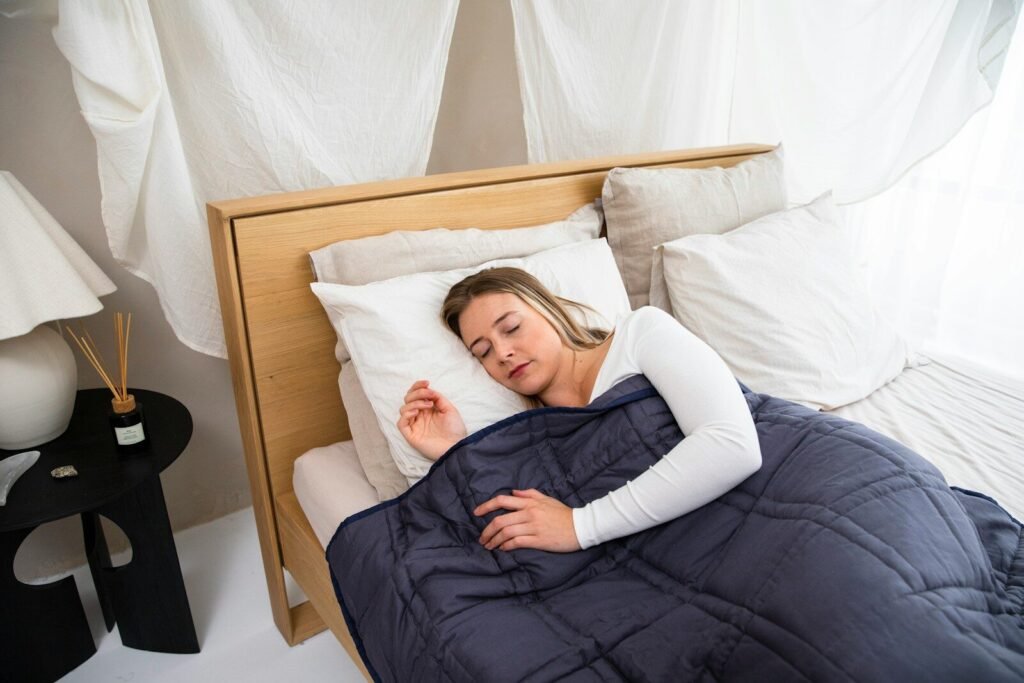
My daughter was nine when her pediatrician first mentioned weighted blankets. She’d been having trouble falling asleep, winding herself into a tight spiral most nights, and the doctor mentioned deep pressure as something worth trying before anything more involved. I’ll be honest — my first reaction was mild skepticism. It sounded like the kind of suggestion that lives between “have you tried lavender?” and “maybe a sound machine?” But we tried it. Within two weeks she was falling asleep faster and waking up less. That was enough to send me down a rabbit hole of research I’ve been following ever since.
What I found surprised me. The mechanism behind weighted blankets isn’t wishful thinking — there’s a real physiological explanation, and there’s clinical literature to back it up. But the marketing around this product category has outrun the science in some important ways. “Clinically proven to reduce anxiety” is a claim that deserves scrutiny, and a few manufacturers have leaned on it harder than the evidence justifies. This article is my attempt to give you an honest read on what weighted blankets can actually do, who benefits most, what the limitations are, and which specific products are worth buying if you decide to go this route.
The short answer to the title question: yes, weighted blankets can genuinely help with anxiety for many people — particularly for sleep-related anxiety, sensory processing differences, and the kind of low-grade chronic tension that makes it hard to wind down. The longer answer requires understanding why, and whether the $150–$300 price tag is justified for your situation.
Quick Comparison: Best Weighted Blankets for Anxiety
| Product | Fill Material | Outer Material | Weight Options | Certification | Best For | Price Tier |
|---|---|---|---|---|---|---|
| YnM Weighted Blanket (15lb, 60″x80″) | Premium glass beads | 100% cotton | 5–30 lbs | Oeko-TEX Standard 100 | Best all-around value; most weight options | Budget ($) |
| Gravity Weighted Blanket (15lb, 48″x72″) | Fine-grade glass beads | Micro-plush duvet cover | 15, 20, 35 lbs | FCC / standard safety tested | Tactile sensitivity; plush cover lovers | Mid-range ($$) |
| Baloo Weighted Blanket (15lb, 60″x80″) | Lead-free glass microbeads | 100% cotton inside & out | 12, 15, 20, 25 lbs | Oeko-TEX Standard 100 | Hot sleepers; chemical sensitivities; eco focus | Premium ($$$) |
| ZonLi Weighted Blanket (15lb, 60″x80″) | Premium glass beads | Soft microfiber (7-layer) | 7–25 lbs | Oeko-TEX certified fabric | Budget-conscious; first-time buyers | Budget ($) |
What Deep Pressure Stimulation Actually Does to the Body
The foundational science here is not new. Occupational therapists have been using deep pressure as an intervention for decades — it predates the weighted blanket trend by a generation. The concept is straightforward: firm, evenly distributed pressure applied to the body activates the parasympathetic nervous system, sometimes called the “rest and digest” system, and reduces activity in the sympathetic system responsible for the fight-or-flight stress response.
On a neurochemical level, deep pressure stimulation has been shown in multiple studies to increase serotonin and dopamine production while lowering circulating cortisol. Serotonin is a mood stabilizer with a direct role in sleep regulation — it’s a precursor to melatonin, the hormone that cues the body to wind down. Dopamine influences motivation and reward. Cortisol, when chronically elevated, is a direct driver of anxiety and disrupted sleep. A tool that meaningfully shifts those three markers in the right direction has a genuine physiological basis for the calming effects users report.
The sensation produced by a weighted blanket is specifically described in occupational therapy literature as proprioceptive input — sensory data about where your body is in space and how much pressure it’s under. This particular channel of sensory input appears to have a calming effect on an overloaded nervous system. For people whose anxiety manifests as physical restlessness, racing thoughts at bedtime, or a persistent sense of inability to settle, the proprioceptive grounding that comes from a heavy blanket can interrupt that cycle in a way that lighter interventions don’t.
“Deep pressure touch has been shown to increase serotonin and dopamine levels, which are neurotransmitters involved in mood regulation, while simultaneously reducing cortisol, the primary stress hormone.” — American Occupational Therapy Association (AOTA)
What the Research Actually Shows
The clinical picture on weighted blankets is genuinely promising, though not conclusive across all conditions. A study published in the Journal of Sleep Medicine & Disorders found that participants with chronic insomnia who used a weighted blanket for four weeks reported significantly improved sleep quality and reduced daytime sleepiness compared to a control group — and participants also reported lower anxiety levels. A separate study out of Sweden found that psychiatric inpatients who used weighted blankets during acute anxiety episodes showed measurably lower physiological markers of arousal.
The National Institutes of Health has indexed research examining weighted blanket efficacy specifically for autism spectrum disorder, where sensory processing differences make deep pressure particularly relevant. That body of evidence is more robust than the general anxiety literature and consistently points toward reduced anxiety and improved sleep for autistic users. You can explore the relevant studies through PubMed, the NIH’s research database, for current peer-reviewed data on the topic.
What the research does not support is the stronger marketing claim that weighted blankets are a clinically proven treatment for anxiety disorders in the general population. Study sizes have been relatively small, methodologies vary, and placebo effects are genuinely hard to control for in this category — a 20-pound blanket is not easily made indistinguishable from a regular blanket. The honest read is: real mechanism, genuine anecdotal and early clinical support, but not yet the gold-standard evidence base that would satisfy a pharmaceutical review.
Who Benefits Most — and Who Should Be Careful
The strongest candidates for meaningful benefit from a weighted blanket are people with sleep-onset anxiety — the kind where the problem isn’t staying asleep but getting there in the first place. If the main symptom is a restless, racing mind at bedtime combined with physical tension, deep pressure addresses both the proprioceptive restlessness and creates a physical cue to wind down. The association builds over time: the blanket becomes part of a sleep routine in a way that signals the nervous system to begin relaxing.
Adults and children with sensory processing differences and autism spectrum conditions represent the population with the most substantial evidence behind them. Occupational therapists have integrated weighted tools into therapeutic practice for these groups for decades, and the weighted blanket is a natural extension of that work into the home setting. If you’re exploring this for a child or an adult with diagnosed sensory needs, consulting an occupational therapist before purchasing is worth the extra step — sizing and usage recommendations can differ meaningfully from general adult guidelines.
People with generalized anxiety disorder, PTSD, or high-stress lifestyles often report subjective improvement in sleep quality and the ability to settle at the end of the day. That subjective experience deserves to be taken seriously even where the formal evidence base is still developing. If sleep quality is genuinely reduced by anxiety, and a weighted blanket meaningfully improves sleep, the downstream benefits to daytime anxiety levels are real regardless of which link in the chain is technically the mechanism.
Those who should exercise caution or consult a physician first: anyone with asthma or other respiratory conditions that restrict breathing during sleep, anyone with claustrophobia (the sensation of weight can exacerbate rather than calm), those with circulatory disorders or conditions affecting temperature regulation, and anyone recovering from surgery or with musculoskeletal injuries. The weight that feels grounding on a healthy body can feel oppressive or even hazardous in the wrong circumstances. This is not a theoretical concern — it’s one worth taking seriously.
The Weight Selection Problem Most Buyers Get Wrong
The 10% of body weight guideline is everywhere, and it’s a reasonable starting point. But the way it gets applied leads to predictable mistakes. A 200-pound adult who calculates they need a 20-pound blanket might find that weight manageable on their back but uncomfortable on their side. Side sleepers generally do better at the lower end of the range — 8–12% body weight rather than the full 10% or above. Back sleepers tolerate heavier weight more easily because the load distributes across a larger surface area.
The size of the blanket also affects how heavy it feels. A 15-pound blanket at 60″x80″ feels different from a 15-pound blanket at 48″x72″ because the same weight is concentrated into a smaller area in the narrower version. Baloo actually addresses this explicitly in their product descriptions — their 12-pound throw at 42″x72″ is described as feeling comparable in intensity to their larger 20-pound version. That’s not a gimmick; it’s basic physics.
First-time buyers who are unsure should default to the lighter end of the range. Going too light is disappointing but easily corrected by exchanging or returning. Going too heavy can cause sleep disruption, joint discomfort for side sleepers, and is harder to fix without another purchase. If physical comfort is already a concern — particularly for anyone managing back pain or recovering from injury — our guide to the best lower back braces for pain relief covers the complementary category of supportive sleep and rest products worth knowing about.
Fill Material: Glass Beads vs. Plastic Pellets
Nearly every weighted blanket worth buying uses glass bead fill. The reasons are practical. Glass beads are denser than plastic, which means less fill material is needed to achieve the target weight — the blanket ends up thinner, more flexible, and more conforming to body shape. They’re also quieter: plastic pellets shift against each other with an audible rustling noise that a surprising number of buyers report as a deal-breaker. Glass doesn’t rustle.
The compartment stitching that holds the beads in place matters significantly for even weight distribution. Smaller compartments — YnM’s 2″x2″ grid is among the tightest in the category — mean the beads can’t migrate to the edges or bunch at the bottom. Larger compartments allow more bead movement, which translates to an uneven pressure experience that undermines the therapeutic point. When evaluating any weighted blanket, look at compartment size in the product specs before buying.
Lead content in glass beads was a genuine concern in earlier generations of the product — some no-name imports tested above safe thresholds. Today, credible brands explicitly call out lead-free glass beads and Oeko-TEX certification on their fill and fabric materials. Baloo goes further than most, advertising lead-free beads as a primary differentiator. If chemical sensitivities or material transparency matter to you, Oeko-TEX Standard 100 certification is the relevant standard to look for — it means the product has been tested for harmful substances at every component level.
Washing and Maintenance: What Nobody Tells You Before You Buy
A 15-pound blanket is manageable in most standard home washing machines on a gentle, cold cycle. A 20-pound blanket is at the outer limit of what most home machines can safely handle — many manufacturers recommend a commercial laundry machine for the heavier sizes. This is not a minor inconvenience. If you plan to wash the blanket frequently — and you should, given that it’s something you sleep under nightly — factor the washing situation into your purchase decision.
Both YnM and Gravity sell duvet covers separately from the weighted inner blanket. The logic is sound: wash the lightweight outer cover frequently and launder the heavy inner piece only when absolutely necessary. Baloo’s all-cotton construction means the blanket itself is fully machine washable and dryer safe (cold wash, low heat), which is a meaningful practical advantage. ZonLi explicitly recommends commercial machine washing for their heavier sizes, which limits flexibility for daily-laundry households without access to commercial washers.
Our Recommended Products
YnM Weighted Blanket — The Best Starting Point for Most Buyers

YnM is the weighted blanket that most people in this category end up recommending because it does the job at a price point that makes the first purchase feel like a reasonable experiment rather than a commitment. The 7-layer design puts glass beads between cotton and polyester layers, and the 2″x2″ smallest compartment stitching is genuinely among the tightest in the category. That tight grid is the most important structural spec in any weighted blanket — it’s what keeps the weight even across your body rather than pooling toward the edges by morning.
The outer material is soft cotton that wears well over repeated washing. Weight options run from 5 to 30 pounds across multiple sizes, which means you can find the right configuration for almost any body weight and bed size. The blanket is Oeko-TEX Standard 100 certified, which covers both the glass bead fill and the fabric for harmful substances. For buyers new to weighted blankets who aren’t sure whether they’ll love the sensation or find it oppressive, the YnM’s accessible price makes it the logical first try.
The honest limitation: the cotton-polyester construction runs warmer than a pure cotton blanket. If you’re a hot sleeper already struggling with nighttime temperature regulation, this may compound rather than improve your sleep problems. In that scenario, the Baloo (covered below) is a better fit. The YnM also does not include a duvet cover — that’s an additional purchase if you want easy washing access.
Best for: first-time weighted blanket buyers, average-temperature sleepers, anyone wanting maximum weight range flexibility, and households on a limited budget who want genuine quality without the premium price.
Gravity Weighted Blanket — The Plush Option for Tactile Comfort Seekers

Gravity was one of the original mainstream weighted blanket brands — they helped build the consumer market for this category — and their core blanket remains a strong product. The inner weighted piece is 100% cotton with fine-grade glass bead fill and gridded stitching for even distribution. The distinguishing feature is the included micro-plush duvet cover, which arrives with the blanket. That cover is genuinely soft in a way that makes the tactile experience of getting into bed different from a standard cotton blanket — and for users who find softness a meaningful part of the calming effect, that distinction matters.
The button fastening system connecting the duvet cover to the inner blanket holds reliably through washing — it doesn’t shift or bunch inside the cover the way loop-based systems sometimes do. The cover itself is machine washable, and the weighted inner follows separately per care instructions. Available in 15, 20, and 35 pounds — the 35-pound option is unusually heavy and primarily serves users who have used weighted blankets for a while and find standard weights insufficient.
The Gravity blanket is narrower than the YnM and Baloo — 48″x72″ versus 60″x80″ — which means it’s sized as a personal blanket that sits on top of you rather than covering the full bed surface. That’s intentional: weighted blankets are sized to concentrate weight on the body, not to drape off the edges. Still, if you move around a lot in your sleep, the narrower footprint can mean waking up partially uncovered. For most people this is a non-issue; for active sleepers it’s worth knowing.
Best for: buyers who prioritize tactile softness as part of the anxiety-relief experience, people who want a blanket-and-cover set included at purchase, and anyone who has tried a basic weighted blanket and wants a step up in sensory quality.
Baloo Weighted Blanket — The Clean Material Pick for Hot Sleepers

Baloo makes the distinction that no other weighted blanket brand I’ve found can legitimately claim: it’s the only quilted weighted blanket constructed entirely of 100% cotton — no polyester inner lining, no synthetic fill material, just cotton fabric around lead-free glass microbeads. That single fact matters enormously to two groups of buyers: people who sleep hot and need maximum breathability, and people with chemical sensitivities or a strong preference for natural, non-synthetic materials against their skin. The Oeko-TEX Standard 100 certification covers both the cotton and the beads.
The quilted construction rather than the more common layered-pocket system gives the Baloo a different hand feel from the YnM or Gravity — it lies flatter and drapes more naturally over the body, closer in texture to a well-made cotton quilt than to the padded feel of a glass-bead insert blanket. Whether that’s preferable is personal. People who’ve tried both frequently describe the Baloo as feeling more like a “real” blanket and the layered designs as feeling more weighted-blanket-specific in an obvious way.
The machine washable and dryer safe claim — across the full blanket, not just the cover — is another practical differentiator. Wash on cold, dry on low heat. No commercial machine required for the 15-pound size. That convenience changes the maintenance calculus significantly for households where the blanket will actually be laundered weekly rather than treated as a semi-permanent bed fixture.
The limitation is price: Baloo costs meaningfully more than the YnM and modestly more than the Gravity. If you’re still uncertain whether weighted blankets work for you, it’s probably not the right first purchase. But for buyers who’ve already confirmed they like the category and want the best material quality available, Baloo is the honest answer.
Best for: hot sleepers, people with sensory or chemical sensitivities, eco-minded buyers, and anyone who wants to wash the full blanket at home without special equipment.
ZonLi Weighted Blanket — The Practical Budget Buy with Real Quality Controls

ZonLi occupies a specific position in the weighted blanket market: it’s not the cheapest option available, but it consistently outperforms what its price suggests. The 7-layer construction uses Oeko-TEX certified fabric and premium glass beads in a 5″x5″ compartment grid with precision stitching rated at 2.5–2.9mm per stitch. That stitching density is the spec to watch in this price segment — looser stitching is how budget blankets lose bead containment over time, resulting in an increasingly uneven weight distribution that defeats the purpose.
The soft microfiber outer material has a slightly different feel from cotton — less breathable but with a different kind of softness that many users prefer for cold climates or winter use. It doesn’t have the natural feel of the Baloo’s cotton, and it will run warmer. For households in colder climates where warmth is part of the appeal, that’s a feature rather than a drawback. For hot sleepers, it’s a liability.
Available in 7 through 25 pounds across multiple sizes including options for children and twin beds, ZonLi gives first-time buyers a responsible entry point into the category. The Oeko-TEX fabric certification and glass bead fill mean you’re not compromising on the things that matter most for safety and function, even at this price point. The ZonLi is also the brand I’d recommend most for anyone buying a weighted blanket as a gift where the recipient’s exact preferences aren’t known — it covers the core requirements without overcommitting on style.
Best for: budget-conscious buyers who don’t want to sacrifice quality on the specifications that matter most, first-time gift purchases, cold-climate households, and anyone wanting access to a wide weight range in a single reliable brand.
Our Verdict
Here’s the thing most weighted blanket reviews won’t say: the category is genuinely effective for a specific subset of the anxiety experience, and genuinely overhyped for the rest. If your primary struggle is sleep-onset anxiety — the kind that shows up as physical restlessness and an inability to settle at bedtime — a weighted blanket addresses a real physiological mechanism and has a reasonable chance of making a measurable difference. If your anxiety is primarily intrusive thoughts, social anxiety, panic disorder, or daytime generalized anxiety with minimal sleep component, a weighted blanket is unlikely to be a primary solution. It might help at the margins. But the marketing on some of these products implies a breadth of efficacy the evidence doesn’t support.
The counter-intuitive truth about this product category is that the difference between a $60 blanket and a $180 blanket matters far less than the difference between the right weight and the wrong one. Buyers fixate on brand and price and under-invest in getting the weight selection right. A beautifully made Baloo blanket at the wrong weight is less effective than a budget blanket at exactly the weight your nervous system responds to. Start with the weight selection — use the 10% of body weight guideline, adjust one pound lighter if you’re a side sleeper — and then make the brand decision.
It’s also worth knowing that weighted blankets work best as part of a broader sleep hygiene and anxiety management practice. The research behind them overlaps with research on sleep restriction therapy, CBT-I, and other evidence-based approaches to anxiety and insomnia. The National Institute of Mental Health’s page on anxiety disorders is a useful resource for understanding where behavioral and therapeutic interventions fit alongside complementary tools like this one. Weighted blankets work well in that broader context — they don’t work as well in isolation. And if physical comfort is something you’re optimizing broadly, particularly during sleep or recovery, our coverage of the best weighted blankets for ultimate comfort goes deeper on the full range of options across this product category.
Finally: the anxiety piece is legitimate, but the sleep piece is arguably more reliable. If you’re choosing between framing this as an anxiety purchase or a sleep quality purchase, go with sleep quality. The evidence there is stronger, the subjective experience is more consistently reported, and improved sleep quality has documented downstream benefits for anxiety levels whether or not the blanket is doing anything directly to your stress response during waking hours. When the marketing says “anxiety,” think “sleep.” That’s where the real value is.
Weighted Blanket Comparison by Buyer Scenario
| Buyer Scenario | Recommended Pick | Why It Fits | Weight to Start | One Caution |
|---|---|---|---|---|
| First-time buyer, unsure if it’ll work | YnM or ZonLi | Low financial risk; full weight range; quality build | 10% of body weight | May run warm; no cover included |
| Hot sleeper with anxiety-related insomnia | Baloo | 100% cotton inside and out; most breathable option | 8–10% of body weight | Higher price; cover sold separately |
| Tactile sensitivity, needs plush feel | Gravity | Micro-plush cover included; designed for sensory comfort | 10% of body weight | Narrower footprint (48″x72″) |
| Buying as a gift, recipient unknown | ZonLi | Wide weight selection; reliable quality; accessible price | Based on recipient’s body weight | 20lb+ needs commercial washer |
| Chemical sensitivities, eco-conscious | Baloo | Lead-free beads; Oeko-TEX; plastic-free packaging | 10% of body weight | Not the softest tactile feel |
| Confirmed weighted blanket user, upgrading | Baloo or Gravity | Premium construction; material quality worth the upgrade cost | Same or slightly heavier than current | Returns can be complex on heavier sizes |
Frequently Asked Questions
Do weighted blankets actually help with anxiety?
Research suggests weighted blankets can reduce anxiety symptoms in many users, particularly through a mechanism called deep pressure stimulation, which promotes the release of serotonin and dopamine while lowering cortisol levels. Multiple clinical studies have shown measurable improvements in anxiety and sleep quality, though results vary by individual and condition. They are best understood as a complementary tool — not a replacement for therapy or medication — but one with a genuine, documented physiological basis. For sleep-onset anxiety in particular, the evidence is consistently positive across multiple studies. The NIH’s PubMed database indexes the peer-reviewed research for anyone who wants to review primary sources directly.
How heavy should a weighted blanket be for anxiety?
The widely cited guideline is to choose a blanket weighing approximately 10% of your body weight. A 150-pound adult would typically start with a 15-pound blanket. This is a starting point, not a firm rule — some people prefer slightly lighter for sleep and slightly heavier for daytime use on a couch. Side sleepers with joint sensitivity often do better at the lower end of the range. Children should always have a blanket selected in consultation with an occupational therapist, as guidelines differ significantly for younger users. Start at 10% and adjust based on experience rather than buying the heaviest option first.
Are weighted blankets safe for everyone?
Weighted blankets are not appropriate for all users. They should not be used by infants or toddlers, and use with older children should follow occupational therapist guidance. Adults with respiratory conditions such as COPD or asthma, claustrophobia, certain cardiovascular conditions, or circulatory disorders should consult a physician before use. The American Occupational Therapy Association advises that therapeutic deep pressure tools be evaluated by a qualified practitioner for individuals with sensory or medical conditions before use at home.
What is deep pressure stimulation and how does it relate to anxiety?
Deep pressure stimulation (DPS) is the application of firm, distributed touch to the body — similar to the sensation of a firm hug or therapeutic massage. Research indicates it activates the parasympathetic nervous system, shifting the body from a state of arousal toward calm. This response is associated with increased serotonin and dopamine production and measurable reductions in cortisol. The effect is well-documented in occupational therapy literature for conditions including generalized anxiety disorder, sensory processing disorders, and autism spectrum conditions, where it has been used as a therapeutic intervention for decades before the weighted blanket consumer market emerged.
Can a weighted blanket replace anxiety medication or therapy?
No. A weighted blanket is a complementary tool, not a clinical treatment. It can meaningfully support a broader anxiety management plan — improving sleep quality, reducing bedtime restlessness, and providing a grounding sensory experience during acute anxious moments — but it does not address the underlying causes of anxiety disorders. The National Institute of Mental Health is a reliable resource for understanding evidence-based treatment options. Anyone experiencing significant anxiety should work with a licensed mental health professional alongside any complementary tools they choose to use.
What materials are best in a weighted blanket for anxiety relief?
The best material depends primarily on whether temperature regulation is a concern. Cotton-only blankets like the Baloo run cooler and breathe more naturally — better for warm sleepers or humid climates. Blankets with minky or fleece outer covers feel more plush and are preferred by users who find tactile softness a meaningful part of the calming effect. Glass bead fill is strongly preferred over plastic pellets: it distributes weight more evenly, lies flatter against the body, and generates no audible noise when you move. Oeko-TEX Standard 100 certification, present on YnM, Baloo, and ZonLi products, indicates the fabric and fill have been tested for harmful chemicals at every component level — worth prioritizing for anyone with skin sensitivities or young children in the household.
How long does it take for a weighted blanket to work for anxiety?
Some people notice a calming effect within the first few uses. For sleep-related anxiety, many users report measurable improvement in sleep onset time within one to two weeks of consistent nightly use. An adjustment period of one to three weeks is normal — the body adapts to the new sensory input, and the association between the blanket and winding down builds over repeated use. If the blanket feels uncomfortable or causes restless sleep in the first few nights, try reducing the weight by two to three pounds before abandoning the category. Comfort with the sensation is a prerequisite for the therapeutic benefit to manifest. If physical discomfort at rest is part of what’s driving your sleep issues, our coverage of the best lower back braces for pain relief may also be relevant to rounding out your rest and recovery toolkit.